







23-November-2026
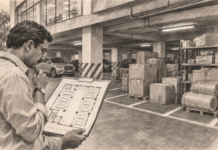
An audit of Lucknow Development Authority building approvals will examine parking provision, departures from sanctioned plans and regularised construction, according to reporting on 22 November. The review is expected to include physical verification. For growing Indian cities, it raises an issue that extends beyond a single authority. Who checks that the parking shown when permission was granted remains usable after the building opens?
A basement may look adequate in a drawing while its ramp, circulation or access makes some spaces difficult to use. Later storage or commercial occupation can reduce the available area further. The resulting vehicles move onto nearby streets, affecting pedestrians, residents and neighbouring businesses. Buyers and tenants may discover the problem only after committing to the property.
Development authorities should compare approved plans with completed buildings and record the basis for any permitted departure. Publish the usable parking provision, relevant conditions and responsibility for maintaining access. Where an authority grants relaxation, the public record should identify its legal basis and explain how the resulting transport demand will be handled.
Developers should give residents and facility managers the plans and operating information required to preserve the approved arrangement. Building associations should include access and unauthorised conversion in regular maintenance reviews. Enforcement should follow a documented process with an opportunity to correct errors and a clear route of appeal.
Cities also need to review whether parking standards suit the location, public transport and actual use of a building. Increasing a numerical requirement alone can consume valuable space without solving street congestion. Lucknow’s audit should distinguish flawed standards, flawed approvals and later violations. Each calls for a different response, and each should produce a correction that remains visible after the audit team leaves.


