




A major wave of housing approvals renews the debate over project execution, homebuyer protection and sustainable urban growth.
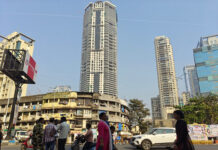
Maharashtra’s real estate sector has received a substantial addition to its development pipeline. In October 2026, MahaRERA approved 435 housing projects involving an estimated investment of ₹23,719 crore and approximately 32,981 apartments.
The scale of these approvals reflects developer confidence and the continuing importance of residential property investment. However, project approvals are the beginning of a development obligation, not proof of completed housing delivery.
India’s real estate industry must increasingly distinguish between announced investments, sanctioned projects, construction progress and homes actually handed over to buyers.
For homebuyers, the critical questions concern construction schedules, financial transparency, legal compliance, infrastructure connectivity and the long-term quality of the built environment.
There is also a larger social question. While premium residential developments attract considerable investment and publicity, affordable housing, rental accommodation and housing for working families deserve comparable policy attention.
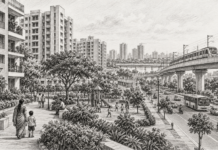
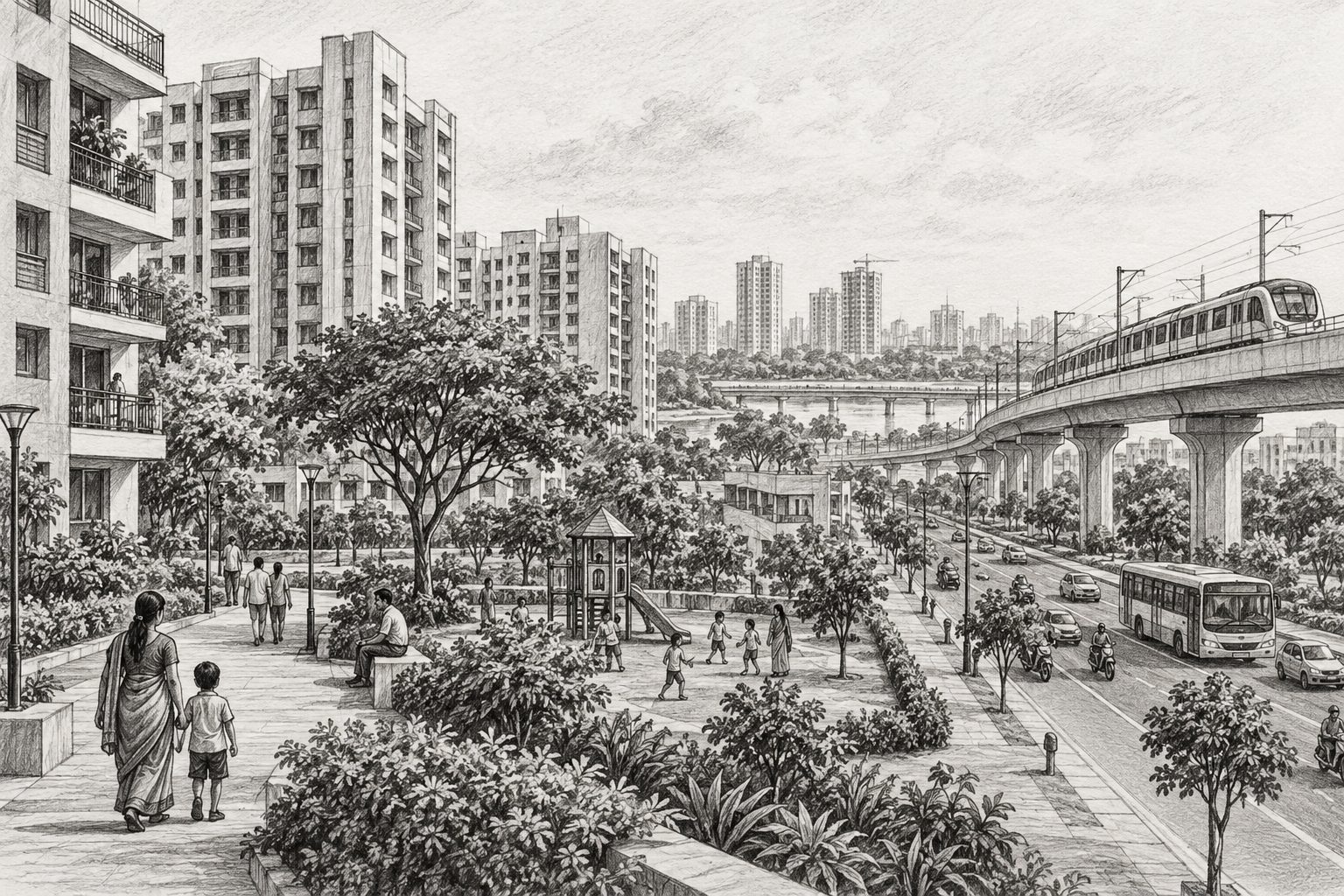
Urban development must be integrated with transport networks, drainage, water availability, power supply, waste management and employment centres. Residential towers without adequate civic infrastructure cannot constitute sustainable urban progress.
The editorial appeal: The Property Times urges developers, RERA authorities, financial institutions and urban policymakers to establish measurable standards for timely completion, construction quality, buyer protection and infrastructure readiness.
India’s housing success should ultimately be measured not by the number of projects launched but by the number of families receiving safe, affordable and properly serviced homes.


